
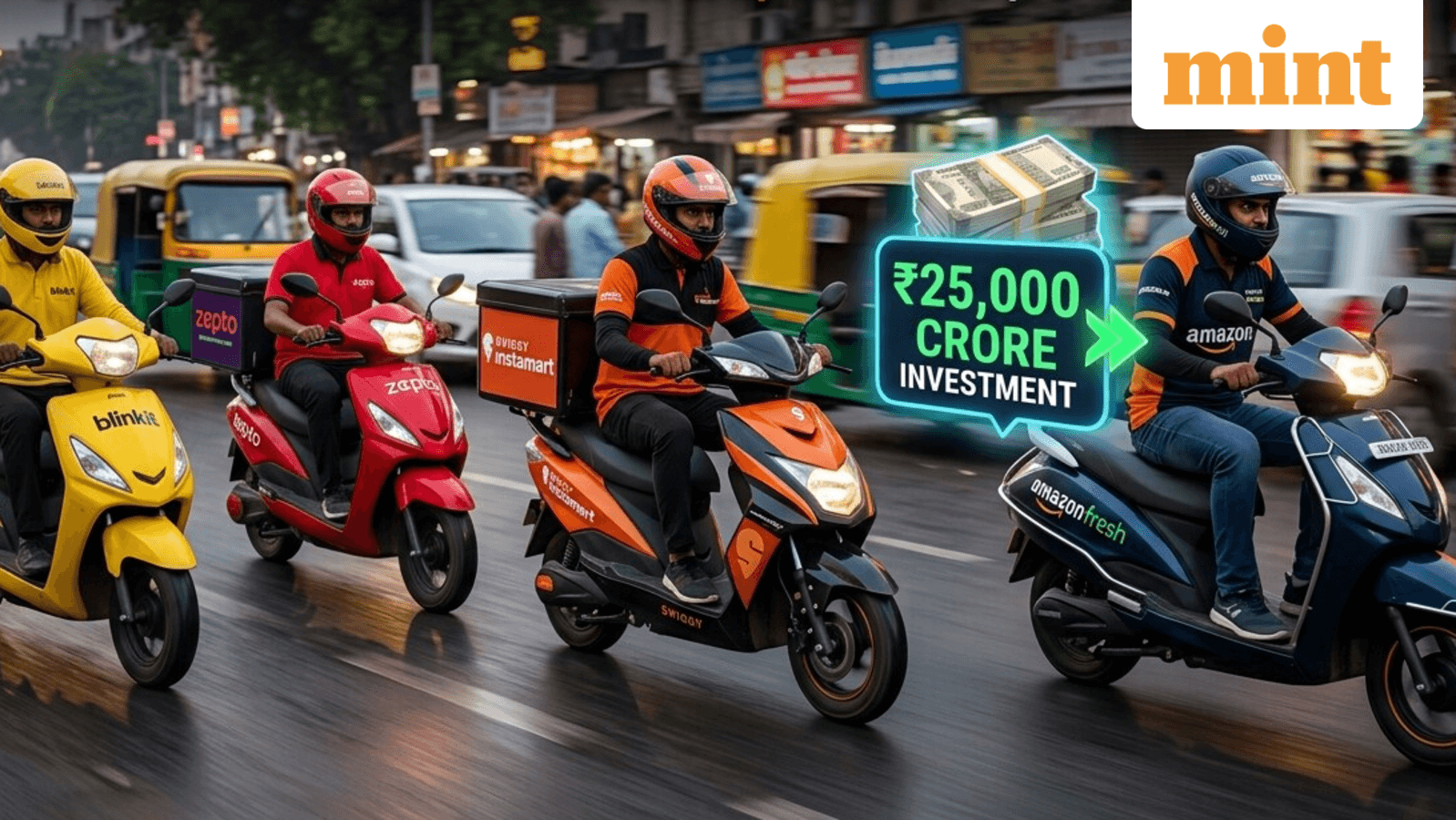
Amazon India Doubles Down on Quick-Commerce with $3 Billion War Chest
In a move that signals a seismic shift in the Indian retail landscape, global e-commerce giant Amazon has announced a massive $3 billion capital infusion into its Indian operations. This strategic investment is specifically earmarked to bolster the company’s quick-commerce capabilities, a sector that has become the new battleground for India’s digital retail dominance.
As consumer demand for near-instant delivery continues to skyrocket across metropolitan India, Amazon is positioning itself to aggressively capture market share from both established incumbents and agile startups. This capital injection is expected to accelerate the expansion of the company’s logistics infrastructure, optimize its supply chain for hyper-local fulfillment, and integrate advanced inventory management systems designed to meet the "need-it-now" expectations of the modern Indian shopper.
A Strategic Pivot in the Indian Retail Arena
The quick-commerce segment in India has evolved rapidly, moving from a niche convenience to a staple of urban consumption. By committing $3 billion, Amazon is signaling that it is no longer content with traditional e-commerce timelines. The investment will likely focus on scaling its "Amazon Fresh" and related rapid-delivery services, ensuring that the company can compete effectively against domestic players who have already established a strong foothold in the 10-to-30-minute delivery window.
Industry analysts view this move as a clear indicator of Amazon’s long-term commitment to the Indian market. Despite regulatory complexities and intense competition, the sheer scale of the Indian consumer base remains a primary driver for such significant capital allocation. With this funding, Amazon is not just looking to participate in the quick-commerce race; it is aiming to redefine the standards of delivery speed and service reliability for millions of Indian households.
As the company begins to deploy these funds, the market can expect a flurry of activity, including potential partnerships, infrastructure upgrades, and an aggressive push into tier-2 and tier-3 cities. For the Indian consumer, this means a more competitive landscape, likely resulting in better service, wider product availability, and the continued evolution of the instant-delivery ecosystem.