
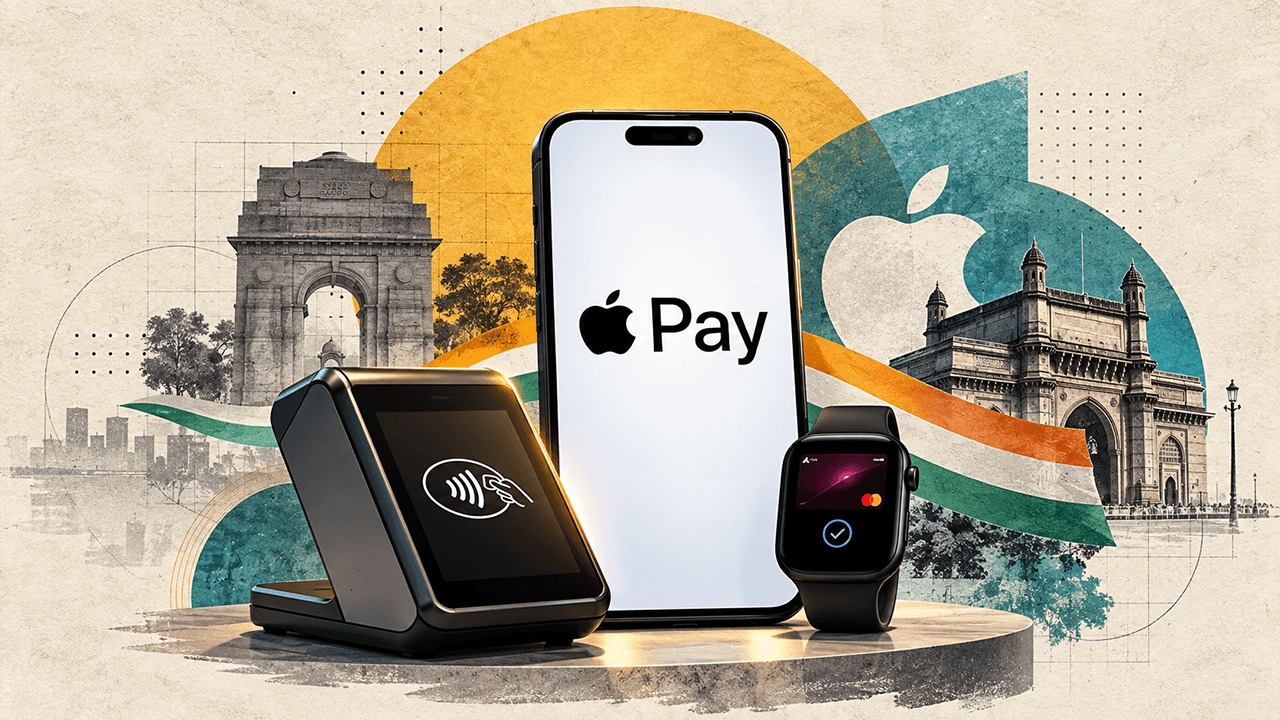
Apple Pay Makes Its Long-Awaited Debut in India via Axis Bank Partnership
In a move that signals a significant shift in the Indian digital payments landscape, Apple has officially launched its flagship payment service, Apple Pay, in the country. This strategic entry marks a major milestone for the tech giant, which has been steadily expanding its financial services ecosystem globally. By partnering with Axis Bank, one of India’s leading private sector banks, Apple is positioning itself to capture a share of the world’s most dynamic digital economy.
The integration allows Apple device users in India to securely add their Axis Bank cards to the Apple Wallet, enabling seamless, contactless payments at retail outlets, within apps, and across websites. This launch is expected to heighten competition in the Indian fintech sector, which is currently dominated by heavyweights like UPI-based platforms, Google Pay, and PhonePe. However, Apple Pay brings a unique value proposition centered on its robust privacy architecture and the seamless hardware-software integration that defines the Apple experience.
Why This Matters for the Indian Fintech Ecosystem
The arrival of Apple Pay in India is more than just a new feature for iPhone users; it represents a maturation of the Indian digital payments market. As consumers increasingly prioritize security and convenience, Apple’s tokenization technology—which ensures that actual card numbers are never stored on the device or Apple servers—offers a compelling alternative to traditional payment methods. For Axis Bank, this partnership is a strategic play to deepen engagement with premium customers who are already deeply embedded in the Apple ecosystem.
Industry analysts suggest that while the Indian market is heavily saturated with QR-code-based UPI transactions, there remains a significant segment of urban, high-spending consumers looking for a more premium, frictionless checkout experience. Apple Pay’s entry is likely to accelerate the adoption of NFC-based contactless payments across retail chains and high-end merchants in major Indian cities. As the service rolls out, all eyes will be on how quickly Apple expands its banking partnerships to include other major financial institutions, potentially setting the stage for a broader disruption in how Indians manage their daily transactions.