
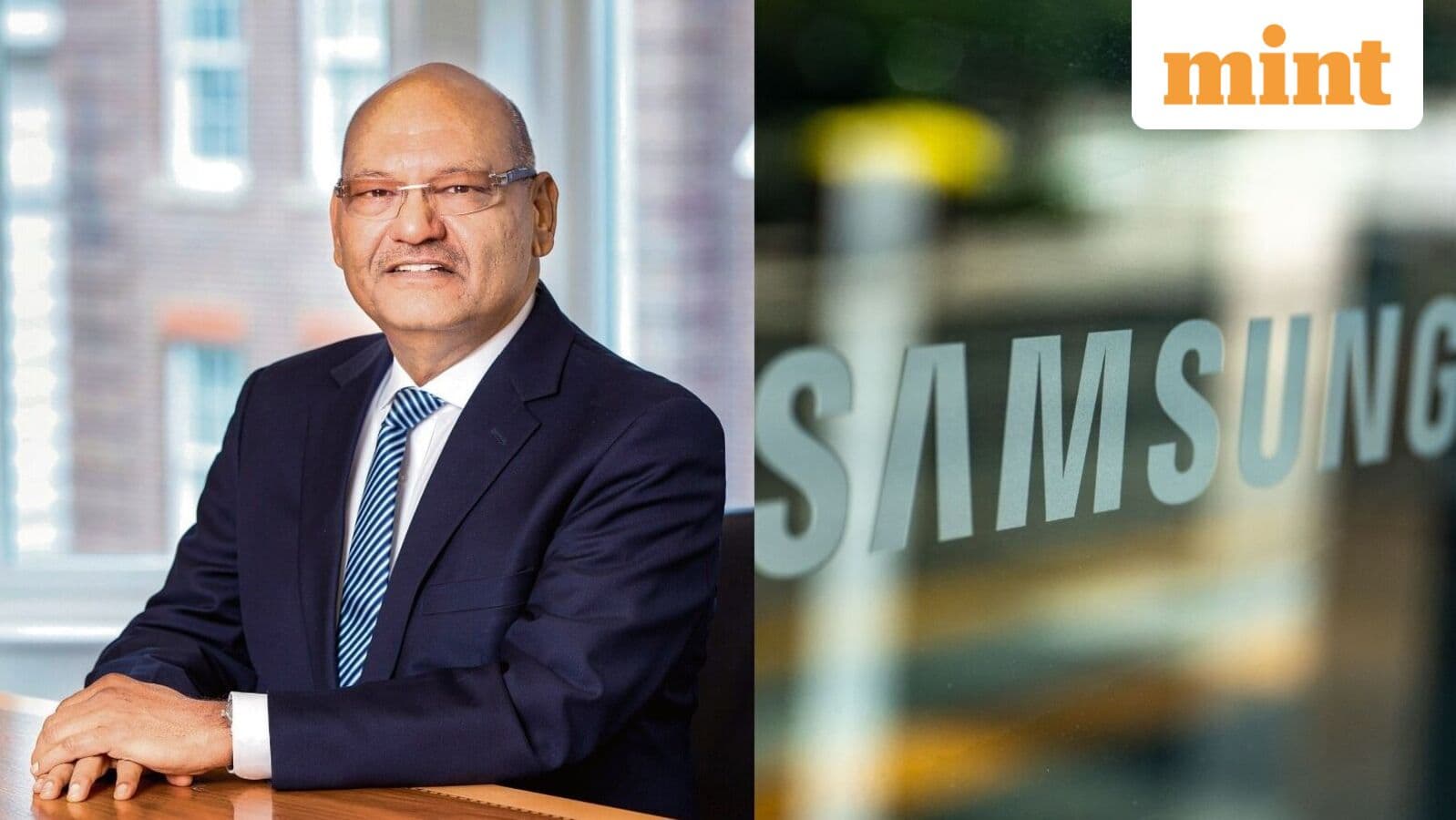
Samsung Signals Massive Q3 Growth Fueled by AI Chip Demand
In a move that underscores the relentless momentum of the global artificial intelligence sector, South Korean technology giant Samsung has announced a significant operating profit projection for the third quarter. The conglomerate, a cornerstone of the global electronics and semiconductor industry, is forecasting an operating profit of approximately $80 billion, signaling a robust recovery and a strategic pivot toward high-performance computing components.
This projection highlights the company’s successful navigation of a volatile global market. As the demand for advanced AI chips continues to skyrocket, Samsung has positioned itself as a critical supplier in the supply chain, leveraging its manufacturing prowess to meet the needs of data centers and AI developers worldwide. This milestone serves as a clear indicator that the company’s heavy investments in next-generation memory and foundry services are beginning to yield substantial financial dividends.
Strategic Implications for the Tech Landscape
For investors and industry analysts, this news is more than just a quarterly update; it is a barometer for the broader technology sector. Samsung’s ability to capitalize on the AI boom suggests that the infrastructure layer of the artificial intelligence revolution remains the most lucrative segment of the market. By aligning its production capabilities with the specific requirements of AI-driven hardware, Samsung is effectively insulating itself from the cyclical downturns that have historically plagued the memory chip market.
As we look toward the final quarter of the year, all eyes will be on whether the company can sustain this trajectory. The massive profit projection not only bolsters shareholder confidence but also provides the capital necessary for Samsung to continue its aggressive R&D spending. In an era where AI supremacy is the ultimate goal for global tech leaders, Samsung’s latest financial outlook confirms that they remain a formidable force, capable of scaling alongside the most demanding technological shifts of the decade.
This development marks a pivotal moment for the South Korean tech titan, reinforcing its status as an indispensable architect of the modern digital economy.