
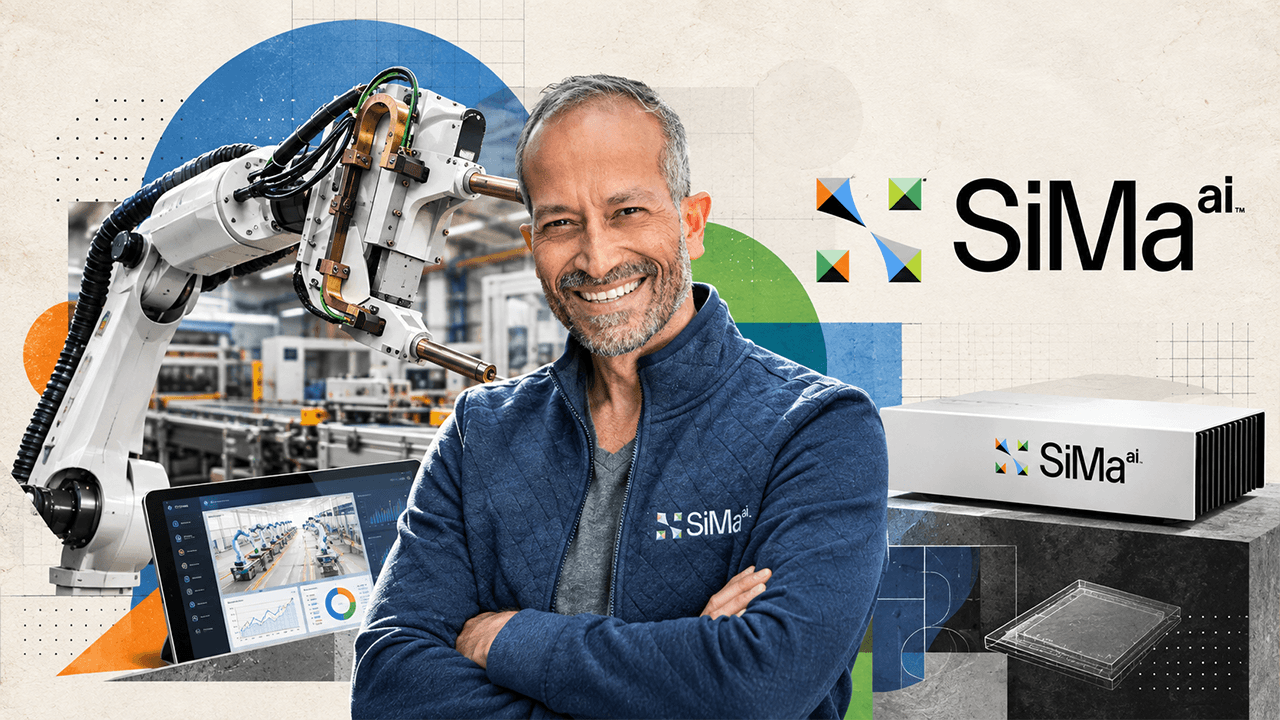
SiMa.ai Secures $150M Series C to Accelerate Physical AI Innovation
In a significant move for the burgeoning Physical AI sector, SiMa.ai, a pioneer in software-centric platforms and purpose-built silicon, has successfully closed a $150 million Series C funding round. This capital injection underscores the growing investor appetite for hardware-software integrated solutions that enable artificial intelligence to operate seamlessly in the physical world—from robotics and drones to autonomous industrial machinery.
The funding round was co-led by Fidelity Management & Research Company and Amplify, signaling strong institutional confidence in SiMa.ai’s unique approach to edge computing. By focusing on a "software-first" architecture, the company is addressing the critical bottleneck of power efficiency and performance that has historically hindered the deployment of advanced AI models outside of data centers.
The roster of participants in this round reads like a "who’s who" of the investment world, featuring heavyweights such as Dell Technologies Capital, J.P. Morgan, StepStone Group, and Baron Capital. This diverse group of backers highlights the cross-industry relevance of SiMa.ai’s technology, which is designed to bring high-performance AI capabilities to devices that require low latency and minimal power consumption.
As the industry shifts from generative AI models toward "Physical AI"—where machines interact with and navigate the real world—SiMa.ai is positioning itself as a foundational player. The company’s platform allows developers to deploy complex neural networks on edge devices without the traditional trade-offs in speed or battery life. With this fresh infusion of capital, SiMa.ai plans to scale its engineering efforts and expand its market reach, further cementing its role in the next wave of the AI revolution.
For investors, this deal represents a strategic bet on the infrastructure layer of the AI stack. While much of the current market noise surrounds large language models, SiMa.ai is betting that the real long-term value lies in the silicon and software that will power the next generation of intelligent, autonomous hardware. As the company moves into its next phase of growth, all eyes will be on how effectively they can translate this massive capital influx into widespread industrial adoption.