
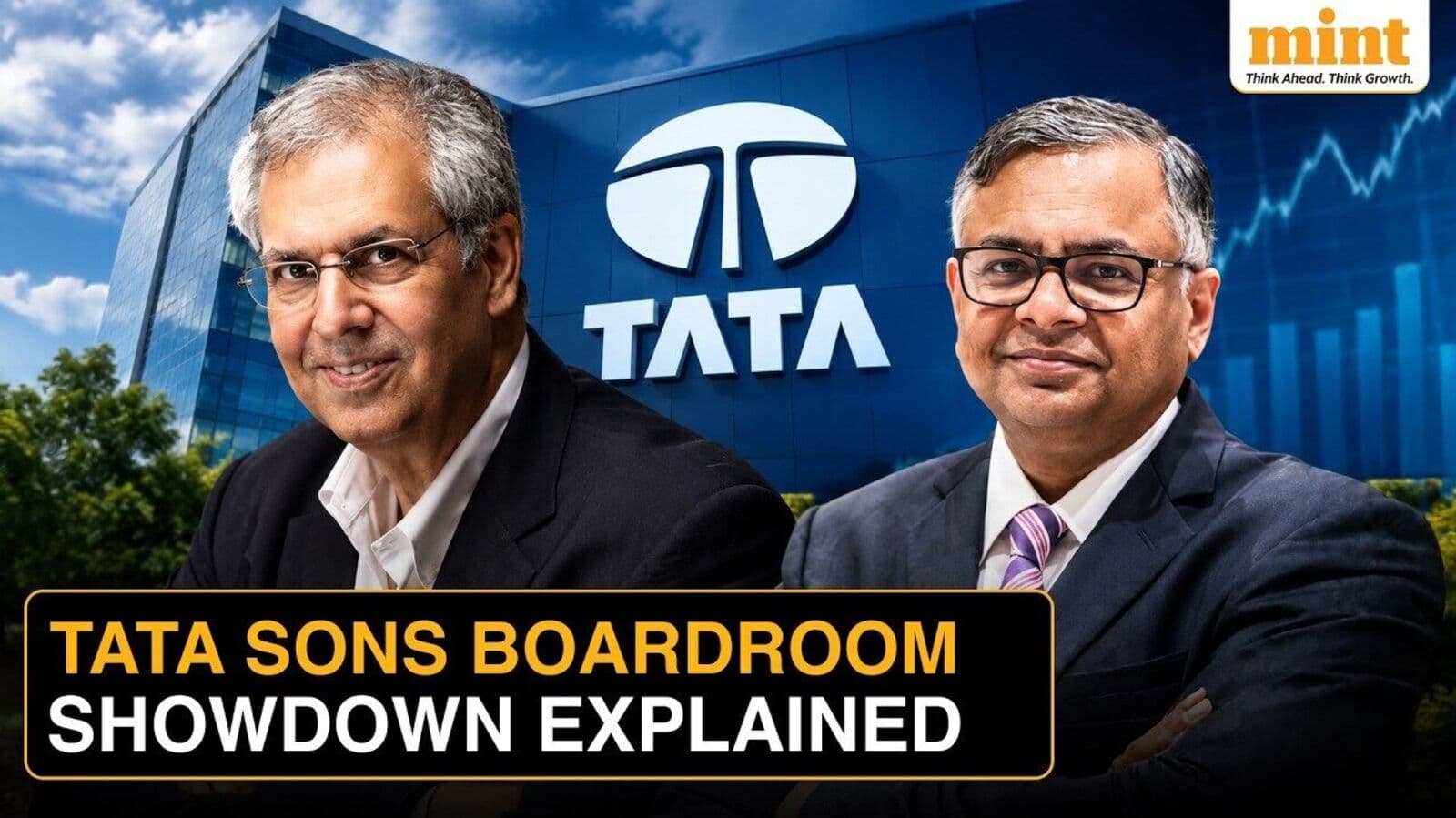
Tata Sons Signals Major Strategic Shift with IPO and Leadership Continuity
In a move that marks a pivotal chapter for India’s most storied conglomerate, the board of Tata Sons has officially greenlit plans for an upcoming Initial Public Offering (IPO). This decision, which has been the subject of intense speculation within the financial corridors of Mumbai, signals a transformative era for the salt-to-software giant as it prepares to unlock significant value for its stakeholders.
The board’s decision comes at a time when the Indian capital markets are witnessing unprecedented activity. By moving toward a public listing, Tata Sons is positioning itself to streamline its corporate structure and provide a transparent gateway for global and domestic investors to participate in the growth of one of the world’s most diversified business houses. The move is widely seen as a strategic maneuver to consolidate the group’s market dominance while fostering a new culture of public accountability.
Beyond the IPO, the board has also moved to solidify its internal governance by approving a leadership term extension. This decision, while not without its share of internal dissent, underscores the board’s commitment to continuity and long-term strategic stability. By maintaining a steady hand at the helm, the conglomerate aims to navigate the complexities of its global operations—ranging from automotive and steel to digital services and aviation—with a unified vision.
The internal friction reported during the decision-making process highlights the high stakes involved in steering a conglomerate of this magnitude. However, the board’s decisive action suggests a clear mandate to prioritize long-term growth over short-term internal disagreements. As Tata Sons prepares for its public debut, the market will be watching closely to see how this leadership continuity translates into operational efficiency and shareholder value.
For the Indian startup and investment ecosystem, this development is a bellwether. As Tata Sons transitions toward becoming a publicly traded entity, it sets a precedent for corporate governance and strategic planning that will likely influence the broader industrial landscape in India for years to come. Investors and analysts alike are now bracing for what promises to be one of the most significant market events in recent history.