
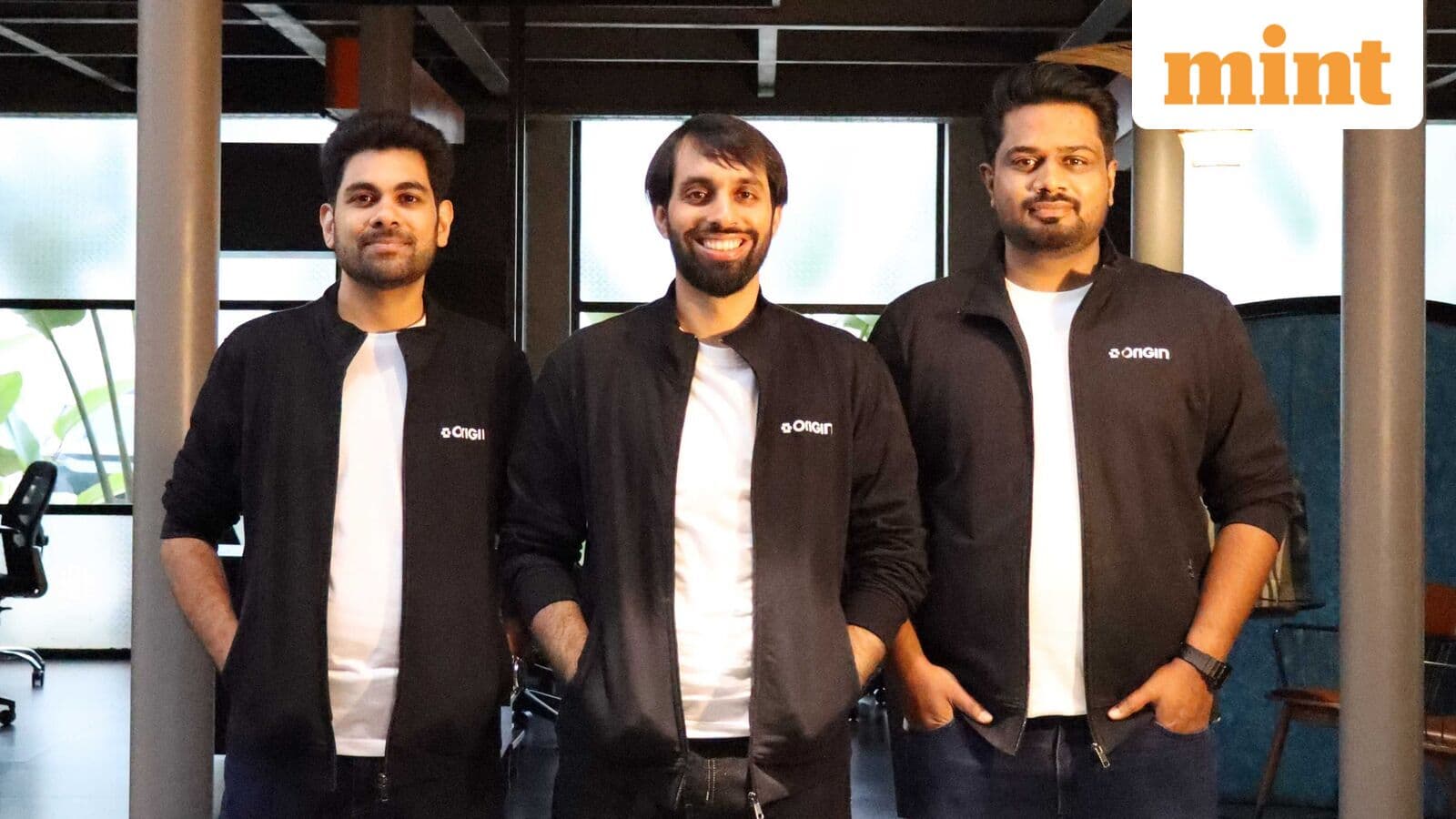
Construction Robotics Startup Origin Secures $20M to Automate the Job Site
The construction industry, long considered one of the most resistant sectors to digital transformation, is witnessing a significant shift. Origin, a deeptech startup focused on scaling construction robotics, has officially announced a major funding milestone, securing $20 million to accelerate its mission of automating the modern job site across the United States and Europe.
As labor shortages continue to plague the global construction market and project timelines face increasing pressure, Origin is positioning itself as a critical player in the infrastructure revolution. By deploying advanced robotics, the company aims to enhance precision, safety, and efficiency in environments that have historically relied on manual, high-risk labor. This fresh injection of capital will allow the team to scale its hardware deployments and refine its proprietary software stack, which integrates seamlessly into existing construction workflows.
Backing from Industry Titans
The funding round was led by Accel and Zacua, two firms with a proven track record of identifying and scaling deeptech ventures that solve "real-world" problems. The participation of these high-profile investors underscores a growing institutional appetite for robotics companies that move beyond the factory floor and into the complex, unpredictable terrain of construction sites.
For Origin, this capital is more than just a balance sheet boost; it is a validation of their technical approach. Unlike many competitors that focus on niche tasks, Origin is building a scalable platform designed to handle the heavy lifting of construction at scale. With the backing of Accel and Zacua, the company is well-positioned to navigate the regulatory and operational hurdles inherent in the construction sector.
As Origin prepares for its next phase of growth, the industry will be watching closely. If the company can successfully bridge the gap between cutting-edge robotics and traditional construction practices, it could set a new standard for how we build the cities of the future. For now, the $20 million infusion provides the runway necessary to turn that vision into a tangible, automated reality.