
Construction Robotics Startup Origin Secures $20M to Automate Interior Finishing
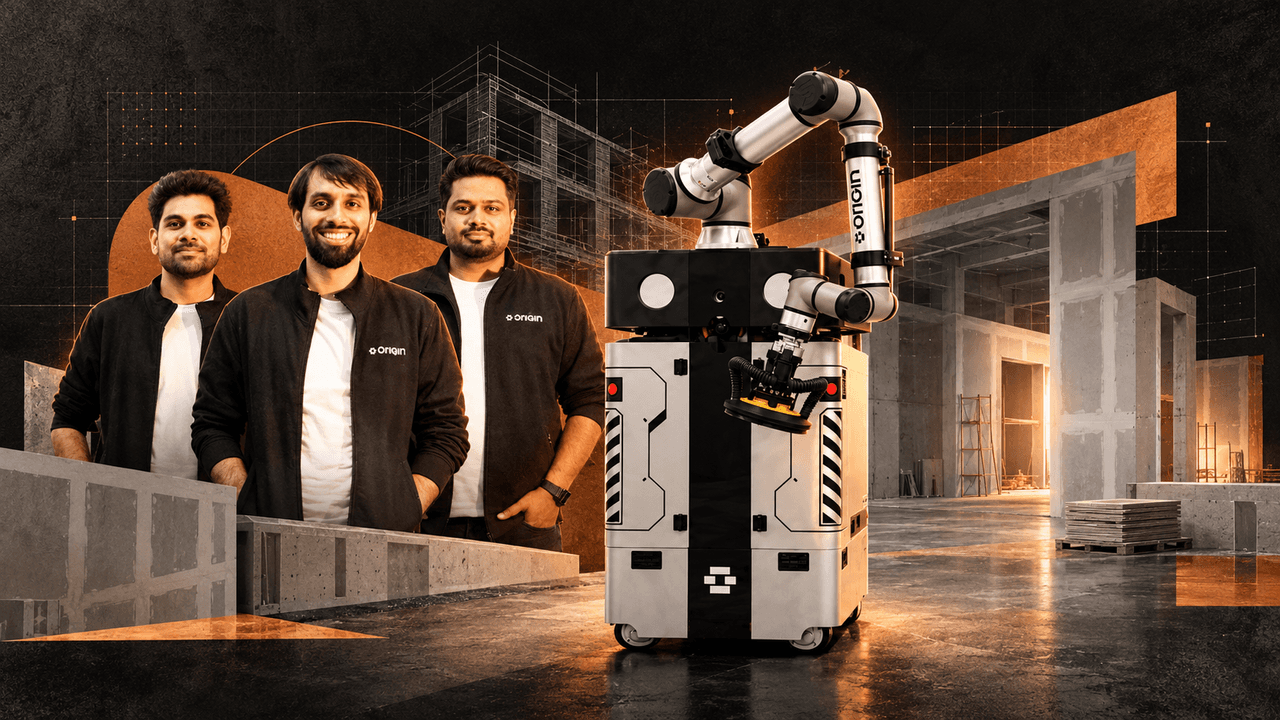
San Francisco-based physical AI startup Origin has officially closed a $20 million funding round, signaling a major shift in how the construction industry approaches labor-intensive interior tasks. As the global construction sector grapples with chronic labor shortages and rising project costs, Origin is positioning itself as a critical player by deploying advanced robotics to handle repetitive, high-precision work such as wall finishing.
The funding round was co-led by prominent venture capital firms Accel and Zacua Ventures, with additional participation from Unilazer Ventures, Schema Ventures, and Z21. This capital injection will allow the company to scale its operations, refine its proprietary AI-driven hardware, and expand its footprint across major construction markets in the United States.
Bridging the Gap Between AI and Physical Labor
While the tech world has been dominated by large language models and digital AI, Origin is part of a growing wave of "physical AI" companies that are bringing intelligence into the real world. The startup’s robots are specifically designed to navigate the chaotic, unstructured environment of a construction site. By automating wall finishing—a task that is traditionally slow, physically demanding, and prone to human error—Origin aims to significantly reduce project timelines and improve the consistency of interior finishes.
“The construction industry is one of the last frontiers for automation,” noted an industry analyst familiar with the deal. “Origin isn't just building a machine; they are building a scalable solution to one of the most persistent bottlenecks in commercial and residential development.”
With this fresh infusion of capital, Origin is expected to accelerate its product roadmap and increase its deployment of robotic units to job sites. As the company moves from pilot programs to broader commercial adoption, all eyes will be on whether their technology can successfully bridge the gap between high-tech robotics and the rugged realities of the construction industry. For investors, this round represents a strong bet on the future of automated infrastructure, where efficiency and precision are no longer optional, but essential.