
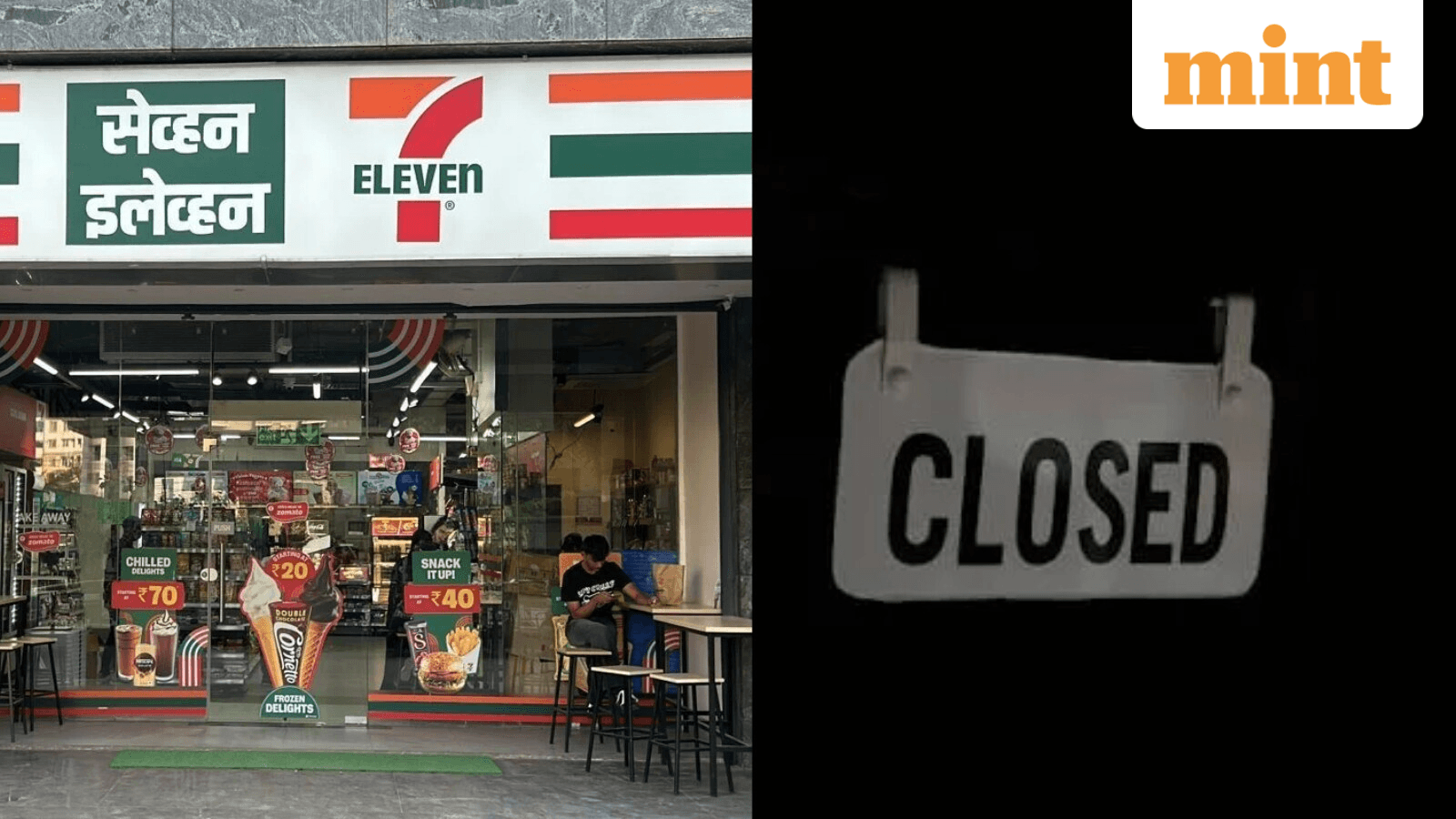
End of an Era: 7-Eleven Exits the Indian Retail Landscape
In a significant development for the Indian retail sector, the global convenience store giant 7-Eleven has officially pulled the plug on its operations in India. The company has confirmed the closure of its remaining 31 stores, marking a definitive end to its ambitious entry into one of the world’s most competitive consumer markets. This move follows the termination of its franchise partnership with Reliance Retail, the retail arm of the Mukesh Ambani-led conglomerate.
The exit comes as a surprise to many industry observers who initially viewed the partnership between the world’s largest convenience store chain and India’s retail behemoth as a recipe for success. When the first 7-Eleven store opened in Mumbai’s Andheri suburb in 2021, it was met with significant fanfare, promising to bring the iconic "Slurpee" and global convenience standards to the Indian consumer. However, the venture struggled to gain the necessary traction to sustain its footprint against established local players and the rapidly evolving quick-commerce ecosystem.
Strategic Realignment or Market Mismatch?
The closure highlights the unique challenges of the Indian retail market, where the convenience store model faces stiff competition from the ubiquitous "kirana" stores and the aggressive expansion of 10-minute delivery platforms. While 7-Eleven’s global model relies on high-density foot traffic and a specific product mix, the Indian market requires a more localized approach to pricing and inventory management that proved difficult to scale profitably.
For Reliance Retail, the decision to part ways with the global brand appears to be a strategic pivot. The conglomerate continues to dominate the Indian retail space through its diverse portfolio, including Freshpik, Smart Bazaar, and its massive e-commerce presence via JioMart. By shedding the 7-Eleven franchise, Reliance is likely streamlining its operations to focus on brands and formats that offer higher margins and better alignment with the specific shopping habits of the Indian middle class.
As the shutters come down on the final 31 outlets, the exit serves as a sobering reminder that even the most recognizable global brands are not immune to the complexities of the Indian retail landscape. Whether this is a permanent departure or merely a pause before a potential re-entry under a different strategy remains to be seen.