
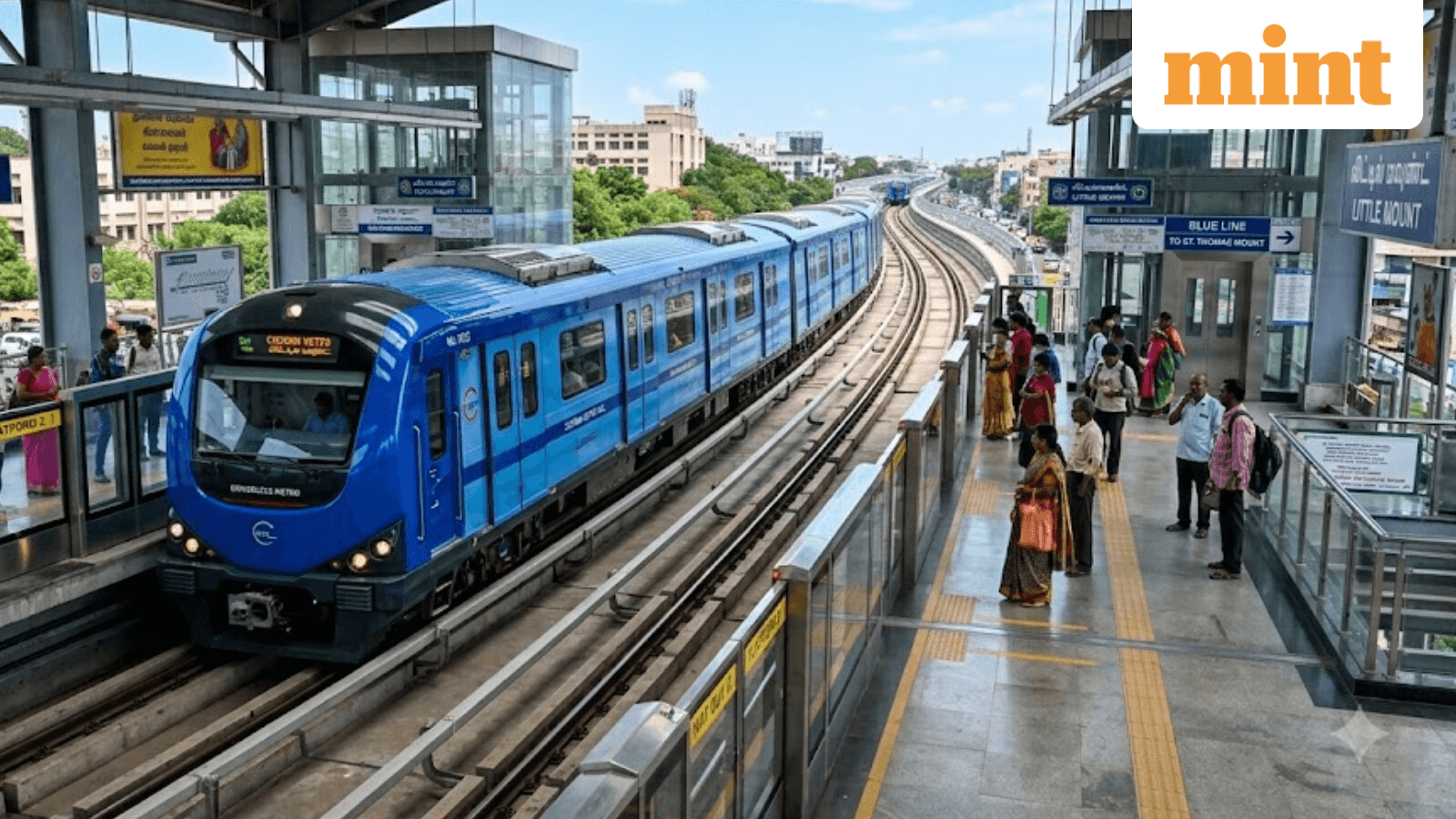
Chennai Metro Phase II: Hitachi Rail Secures Landmark ₹1,620 Crore Contract
In a significant leap forward for India’s urban mobility infrastructure, Hitachi Rail has officially secured a massive ₹1,620 crore contract to spearhead the development of driverless train technology for the Chennai Metro Phase II project. This milestone marks a pivotal moment for the city’s transportation landscape, signaling a shift toward high-tech, automated transit solutions that promise to redefine the daily commute for millions of residents.
As a global leader in rail transportation and technology, Hitachi Rail has been selected to provide the sophisticated signaling and telecommunications systems required to operate driverless trains. This project is not merely about adding more coaches to the tracks; it is about integrating cutting-edge automation that enhances safety, increases frequency, and optimizes energy efficiency across the expanding Chennai Metro network.
The Chennai Metro Phase II is one of the most ambitious infrastructure projects currently underway in India. By incorporating driverless technology, the project aligns with the global trend of "smart cities," where digital infrastructure is as critical as physical construction. Hitachi Rail’s expertise in signaling systems will ensure that the new corridors operate with the precision and reliability expected of a world-class metro system.
For the transportation sector, this contract serves as a testament to the growing appetite for advanced technological integration in Indian public transit. As urban centers continue to expand, the demand for automated, high-capacity transit systems becomes increasingly urgent. Hitachi Rail’s involvement brings a wealth of international experience to the table, ensuring that Chennai’s infrastructure is built to meet the challenges of the next several decades.
This development is a major win for the Chennai Metro Rail Limited (CMRL) and underscores the government's commitment to modernizing public transport. As the project progresses, all eyes will be on how this driverless technology transforms the efficiency of the city’s transit corridors, setting a new benchmark for other metropolitan regions across the country to follow.