
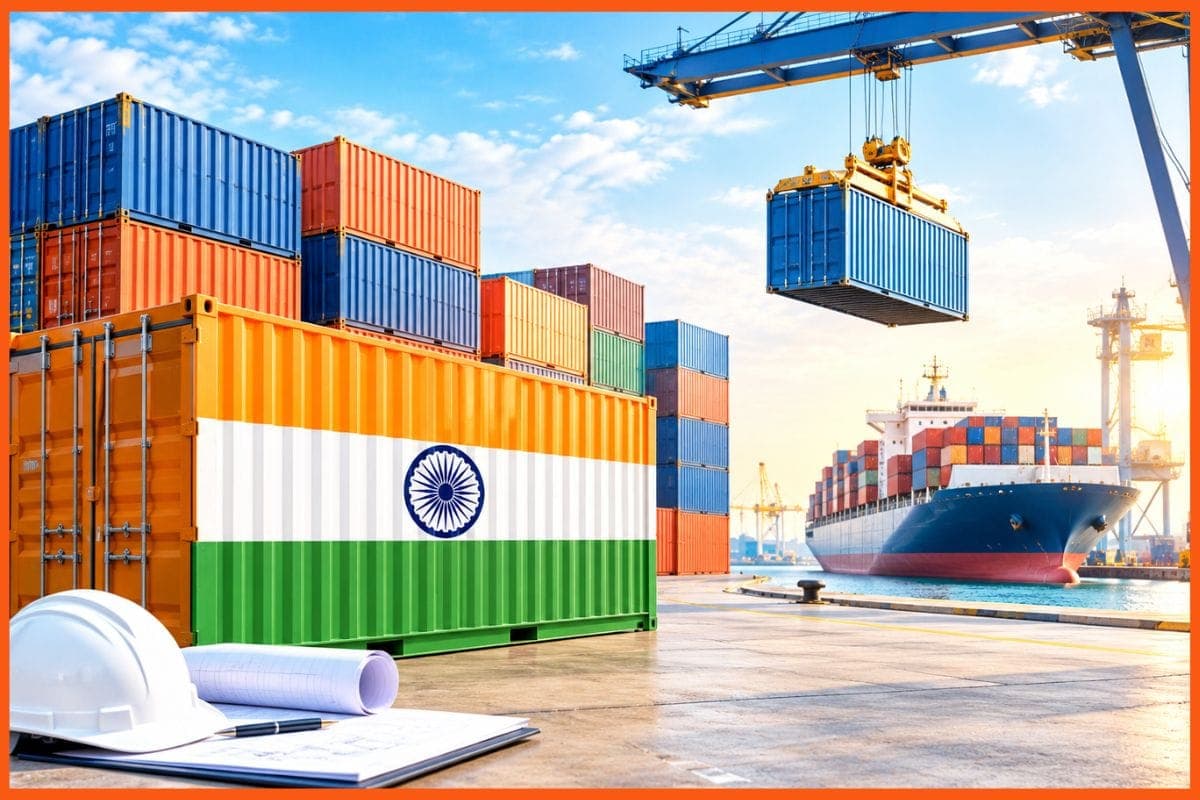
India Unveils Massive INR 10,000 Crore Push to Revolutionize Container Manufacturing
In a landmark move to bolster India’s position as a global manufacturing powerhouse, the government has officially launched the Container Manufacturing Promotion Scheme (CMPS). This ambitious initiative, backed by a staggering INR 10,000 crore allocation, is designed to reduce the nation’s heavy reliance on imported shipping containers and catalyze the growth of a robust domestic supply chain.
As global trade dynamics shift, the demand for reliable logistics infrastructure has never been higher. By incentivizing local production, the CMPS aims to bridge the gap between supply and demand, ensuring that Indian exporters have seamless access to affordable, high-quality containers. This strategic investment is expected to create thousands of jobs, foster technological innovation in manufacturing, and significantly lower logistics costs for businesses across the country.
Strengthening the Logistics Backbone
The Container Manufacturing Promotion Scheme is more than just a financial injection; it is a structural reform aimed at making India "Atmanirbhar" (self-reliant) in the maritime and logistics sector. Currently, the global container market is dominated by a few key players, often leaving Indian manufacturers at the mercy of volatile international prices and supply chain bottlenecks. With this scheme, the government intends to provide the necessary capital expenditure support and policy framework to enable domestic firms to scale their operations rapidly.
Industry experts view this as a pivotal milestone for the "Make in India" initiative. By focusing on the manufacturing of specialized and standard shipping containers, the scheme will not only serve domestic needs but also position India as a potential exporter of containers to the global market. As the infrastructure sector continues to expand, the CMPS serves as a critical catalyst, ensuring that the physical hardware of global trade is built right here on Indian soil.
For investors and stakeholders in the manufacturing ecosystem, this development signals a long-term commitment from the government to de-risk the logistics sector. As the rollout begins, all eyes will be on how effectively these funds are deployed to modernize production facilities and integrate advanced manufacturing technologies across the country.