
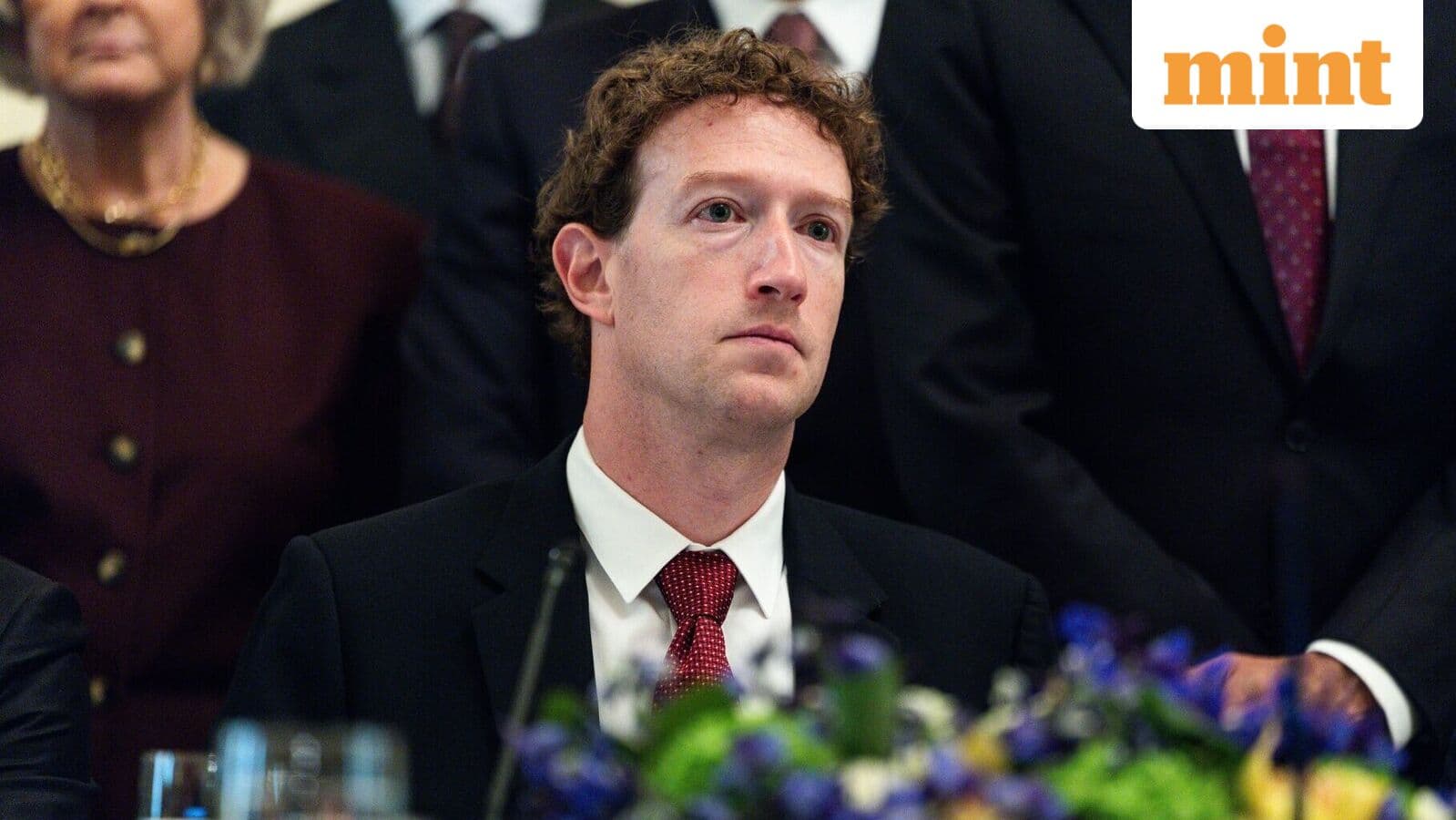
Meta Faces Landmark $25 Billion Privacy Penalty: A Turning Point for Big Tech
In a development that has sent shockwaves through Silicon Valley, Meta, the multinational technology conglomerate behind Facebook, Instagram, and WhatsApp, is grappling with a staggering $25 billion privacy penalty. This legal milestone marks one of the most significant regulatory actions in the history of the technology sector, underscoring the intensifying scrutiny surrounding data privacy and user protection in the digital age.
The penalty, stemming from long-standing investigations into the company’s data handling practices, highlights the growing friction between rapid platform expansion and the stringent regulatory frameworks emerging globally. For Meta, which has built its empire on the foundation of social media and digital advertising, this financial blow is more than just a line item on a balance sheet; it represents a fundamental shift in how tech giants must approach user consent and data sovereignty.
The Broader Implications for the Tech Ecosystem
As an expert observer of the venture capital and startup landscape, it is clear that this ruling will have a cascading effect on the broader technology ecosystem. For early-stage startups and established players alike, the message is unequivocal: the era of "move fast and break things" is officially over when it comes to user data. Investors are increasingly factoring in "regulatory risk" as a primary metric during due diligence, as the cost of non-compliance has reached levels that can threaten the viability of even the most well-capitalized firms.
This penalty serves as a cautionary tale for the next generation of social platforms and digital services. As Meta navigates the fallout of this legal challenge, the industry will be watching closely to see how the company pivots its business model to align with these heightened expectations. Whether this leads to a more privacy-centric internet or simply forces a restructuring of how data is monetized remains to be seen. One thing is certain: the regulatory landscape has permanently shifted, and the cost of doing business in the digital economy has never been higher.