
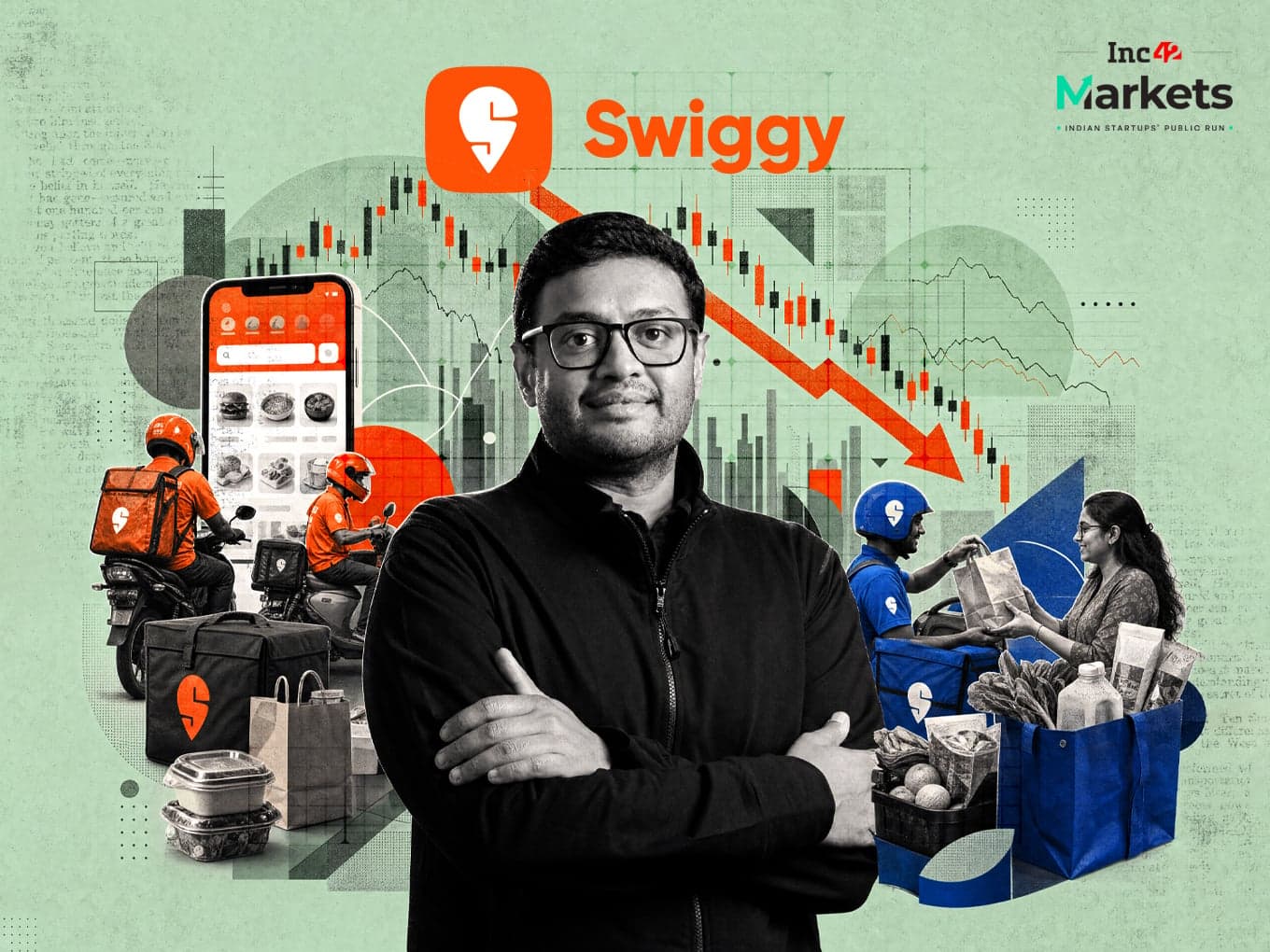
Swiggy’s Path to Profitability: Q2 FY27 Results Signal Strong Momentum
In a significant development for the Indian foodtech landscape, Swiggy has reported a robust performance for the second quarter of the 2027 fiscal year. The company, which operates at the intersection of food delivery and the rapidly expanding quick-commerce sector, has demonstrated a clear trajectory toward sustainable growth, balancing aggressive market expansion with disciplined financial management.
The latest financial disclosures reveal that Swiggy has successfully narrowed its losses by 16% year-on-year. This improvement in the bottom line comes alongside a massive 36% surge in revenue, underscoring the company’s ability to scale its operations while simultaneously optimizing its cost structure. As the quick-commerce wars intensify across India, Swiggy’s ability to maintain this balance is being viewed by market analysts as a critical indicator of its long-term viability and operational efficiency.
Strategic Scaling in a Competitive Market
Swiggy’s dual-engine strategy—leveraging its core food delivery business to fuel its quick-commerce ambitions—appears to be paying dividends. By integrating these services, the company has managed to increase its average order value and improve delivery density, which are essential metrics for achieving profitability in the high-burn quick-commerce space.
The 36% jump in revenue is particularly noteworthy as it suggests that consumer demand for instant delivery remains resilient despite broader economic headwinds. For investors and stakeholders, these results provide a much-needed boost of confidence. Swiggy is not merely chasing top-line growth; it is proving that it can refine its unit economics even as it captures a larger share of the Indian consumer’s wallet.
As we look toward the remainder of the fiscal year, all eyes will be on whether Swiggy can maintain this momentum. With the quick-commerce sector becoming increasingly crowded, the company’s focus on operational excellence and margin expansion will likely remain the primary narrative for the coming quarters. For now, Swiggy stands as a prime example of a mature startup successfully navigating the transition from a growth-at-all-costs model to a sustainable, profit-oriented enterprise.