
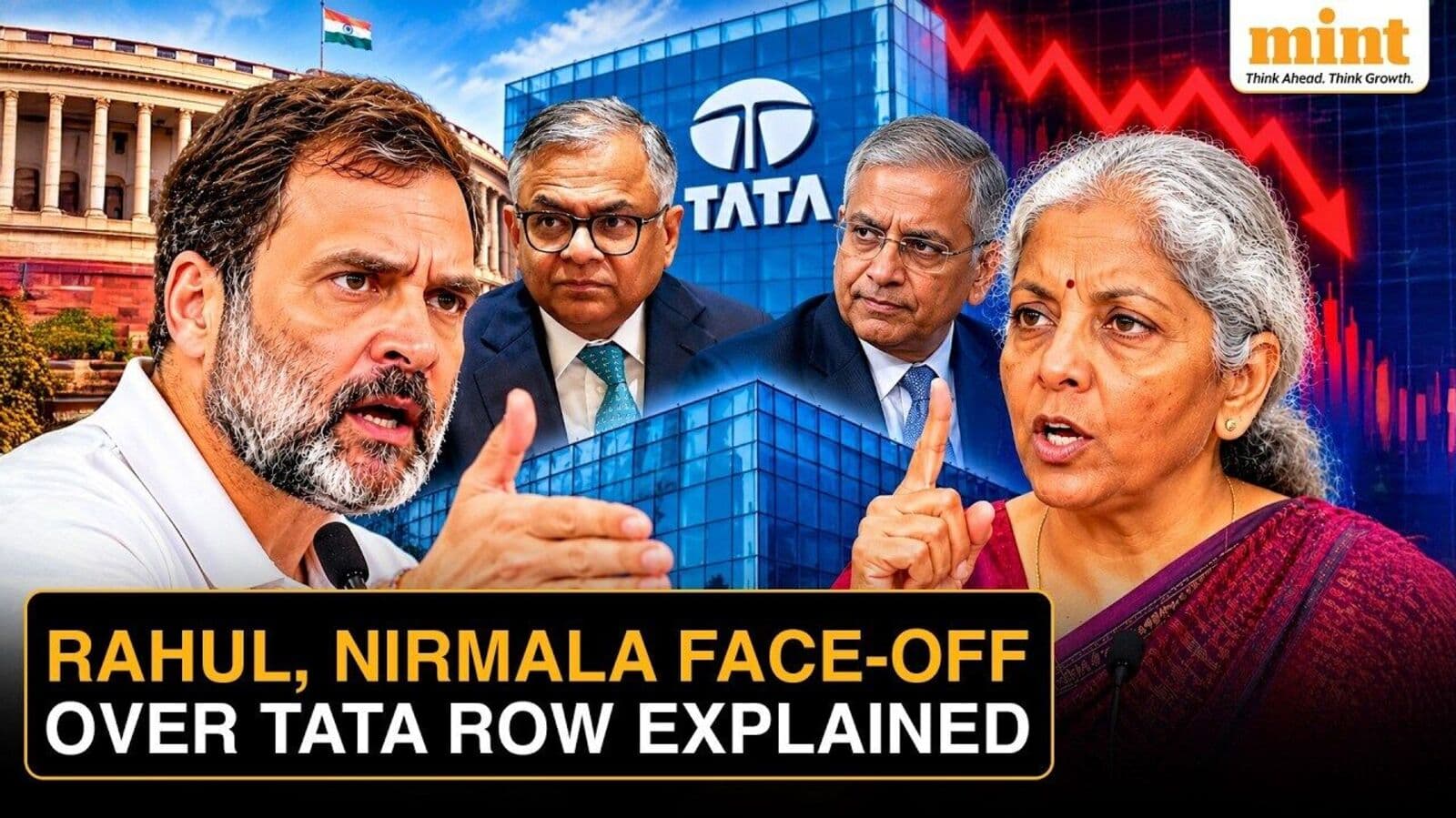
Governance Turmoil at the Helm: Tata Sons Faces Leadership Crossroads
The corporate corridors of Mumbai are buzzing as Tata Sons, the principal investment holding company and promoter of the Tata Group, finds itself at the center of a high-stakes governance debate. At the heart of the controversy is the reappointment of N Chandrasekaran as the Chairman of the conglomerate, a move that has sparked significant discourse regarding leadership continuity and the internal governance mechanisms of India’s most storied business house.
As the holding company for a vast empire spanning steel, software, automobiles, and aviation, Tata Sons serves as the bedrock of the group’s strategic direction. The current dispute over Chandrasekaran’s tenure highlights the complexities of managing a conglomerate that balances traditional values with the aggressive, fast-paced demands of the modern global market. For investors and industry observers, this development is more than just a boardroom shuffle; it is a litmus test for the group’s long-term stability and its ability to navigate internal friction while maintaining its reputation for ethical stewardship.
The Stakes for India Inc.
The Tata Group has long been considered the gold standard for corporate governance in India. However, leadership disputes of this nature often invite scrutiny from institutional investors and regulatory bodies alike. The core of the issue lies in the balance of power between the board, the shareholders, and the legacy stakeholders who influence the group’s trajectory. As the conglomerate continues to pivot toward digital transformation and green energy, the need for a unified and undisputed leadership team has never been more critical.
While the company has yet to issue a formal statement addressing the specific grievances of the dissenting parties, market analysts suggest that the resolution of this dispute will set a precedent for how large Indian conglomerates handle succession planning and executive oversight. For now, all eyes remain on Mumbai, as stakeholders wait to see if the group can reconcile these internal differences without compromising its operational momentum or its standing in the global investment community.
At VCDekho, we will continue to track this developing story, as the outcome will undoubtedly influence the broader sentiment surrounding India’s corporate governance landscape in the coming quarters.