
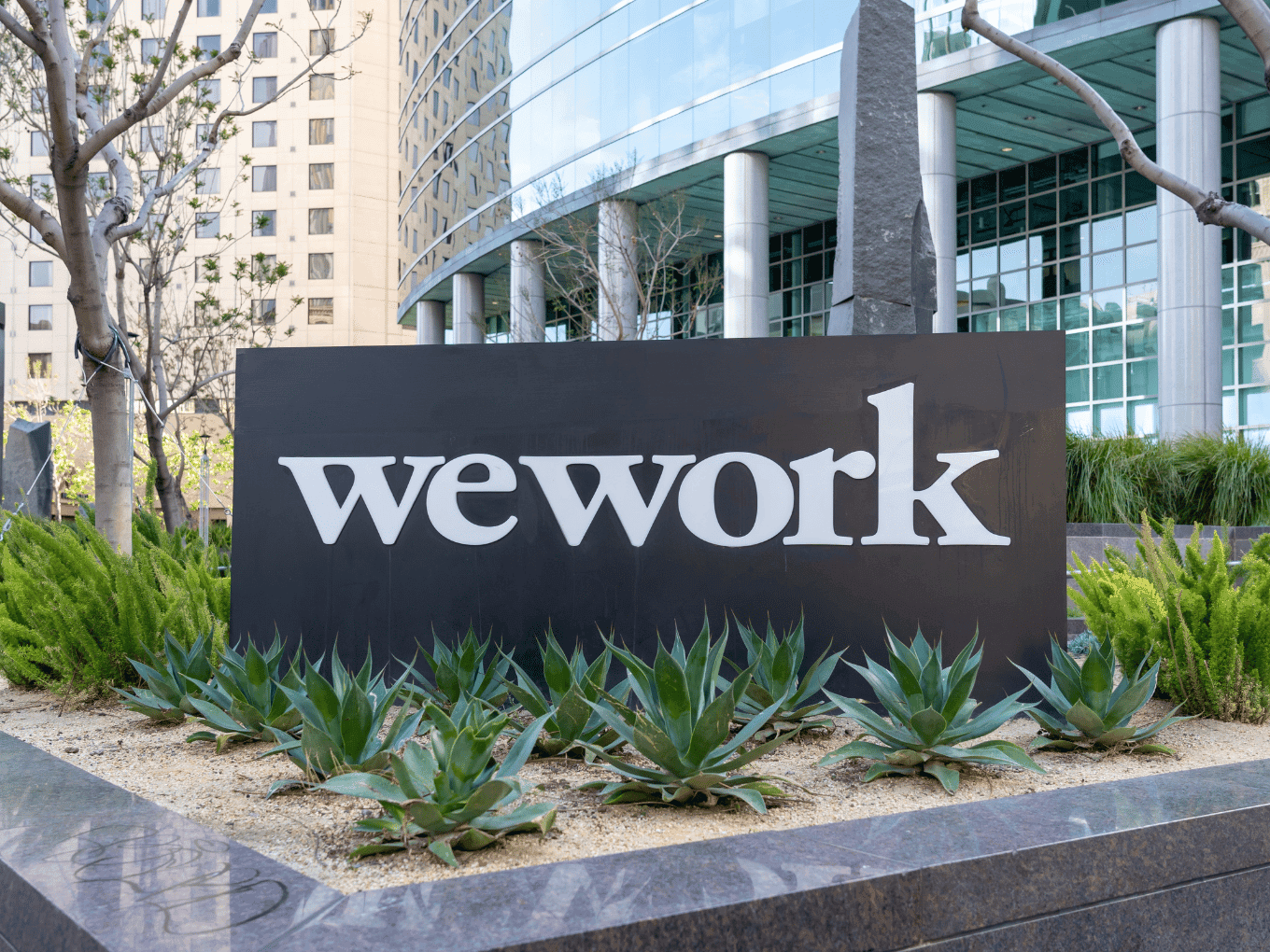
WeWork India Shatters Expectations with 219% Profit Surge in Q2
In a remarkable display of operational efficiency and market dominance, WeWork India has announced a staggering 219% jump in profit for the second quarter of the fiscal year. As the flexible workspace sector continues to evolve in the post-pandemic landscape, the company has solidified its position as a powerhouse in the Indian commercial real estate market, proving that the demand for hybrid and agile office solutions is not just a trend, but a permanent shift in corporate culture.
The company’s latest financial disclosure highlights a period of aggressive growth and disciplined cost management. By optimizing its portfolio and catering to a diverse clientele—ranging from burgeoning startups to established multinational corporations—WeWork India has successfully navigated the complexities of the modern workspace environment. This triple-digit growth in profitability underscores the company’s ability to scale effectively while maintaining high occupancy rates across its premium locations.
Strategic Growth in a Competitive Landscape
The flexible workspace industry in India has become increasingly crowded, yet WeWork India continues to outperform its peers. This latest milestone is a testament to the company’s strategic focus on premium service offerings and its deep understanding of the Indian enterprise sector. Unlike many of its global counterparts that have faced significant headwinds, the Indian arm of the business has remained resilient, leveraging the country’s robust economic growth and the increasing preference for "office-as-a-service" models.
Industry analysts suggest that this profit surge is likely driven by a combination of increased enterprise demand for flexible leases and a successful pivot toward high-margin value-added services. As companies continue to embrace hybrid work models, the need for professional, well-equipped, and flexible office spaces has never been higher. WeWork India’s ability to capture this demand while keeping operational overheads in check positions it as a bellwether for the future of work in the region.
Looking ahead, the company is expected to continue its expansion trajectory, focusing on key metropolitan hubs where the demand for premium flexible space remains insatiable. For investors and stakeholders, this Q2 performance serves as a clear signal that WeWork India is not just surviving the changing tides of the commercial real estate market—it is leading the charge.